(n (n+1) ) / 2, but how?
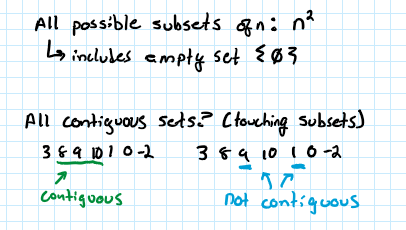
All subsets vs all contiguous subsets
All subsets is n2, and we know that contiguous and non contiguous are subsets. So the upper bound is n2.
Geometric Visualization
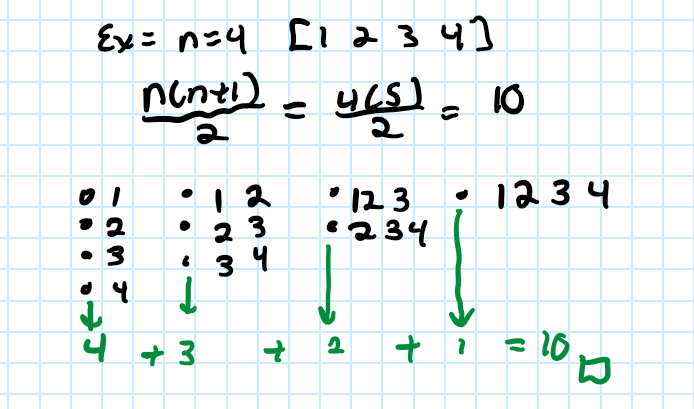
Let's begin by manually calculating all the subarrays by hand on a small example. The formula claims we should have 10 unique subarrays for an array size of n = 4. We can verify that by drawing them all out.
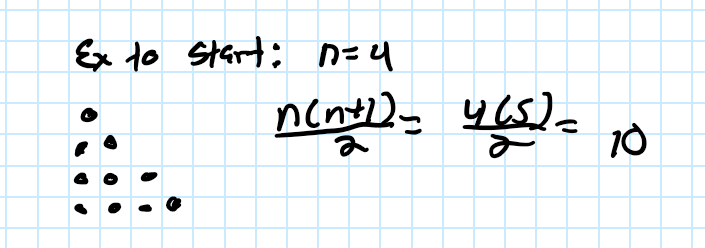
Without the numbers, this can also be drawn as the following
Now let's circle back and draw the full n2 grid.
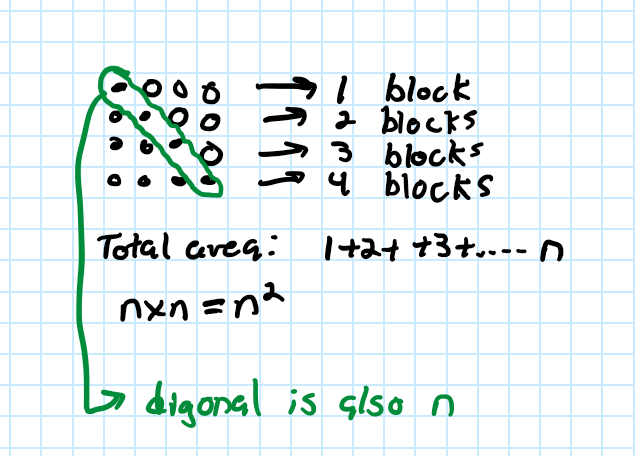
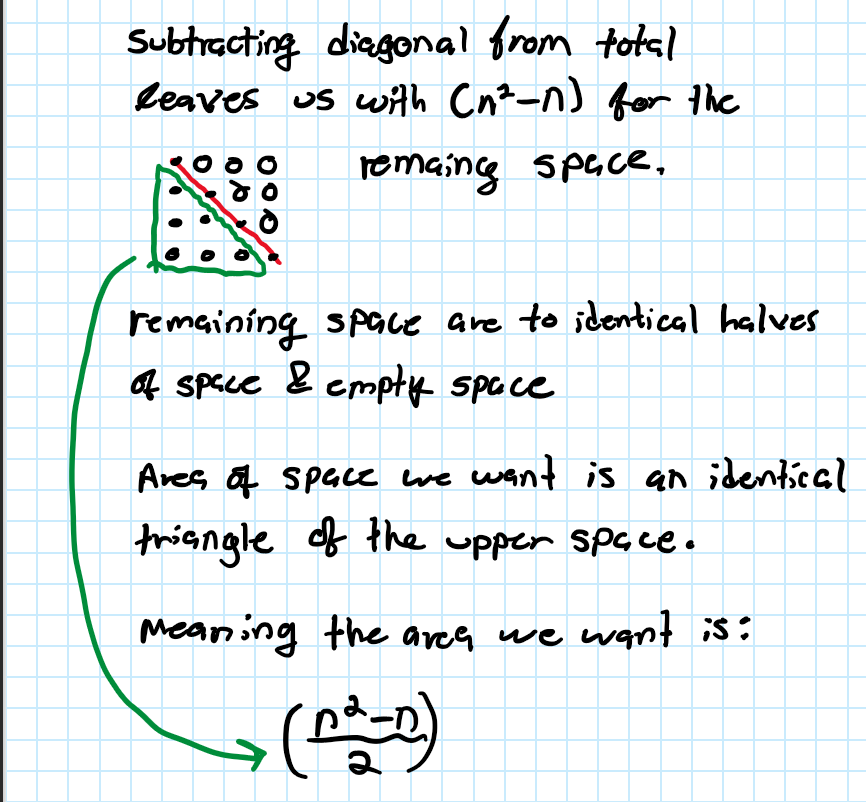
The area of an nxn grid is n2. The diagonal of an nxn grid will always be n. So let's get rid of the diagonal to get n2 - n.
This leaves two perfect triangle. One with our data and one without our data. This means that the triangle with the data we want is (n2 - n) / 2
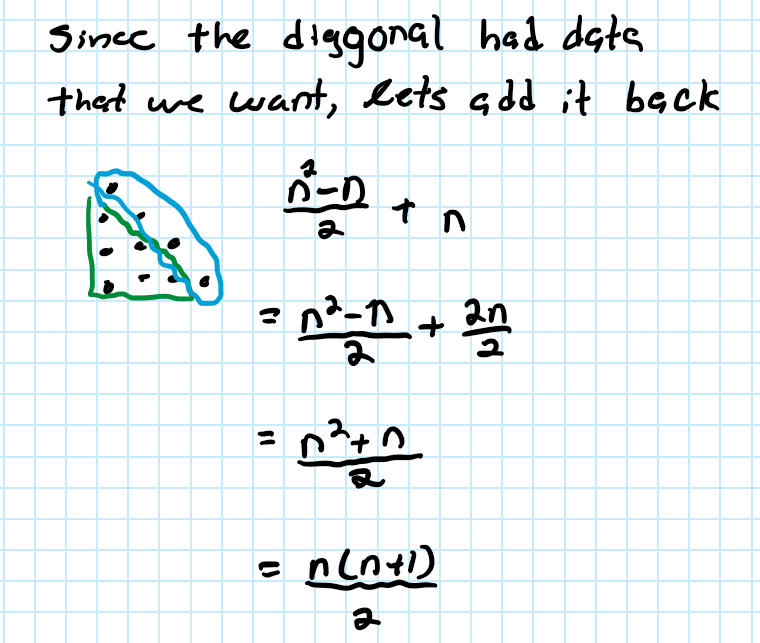
Lastly, let's add be the diagonal (which was size n) back to the triangle we just calculated. This gets us (n (n+1) ) / 2.
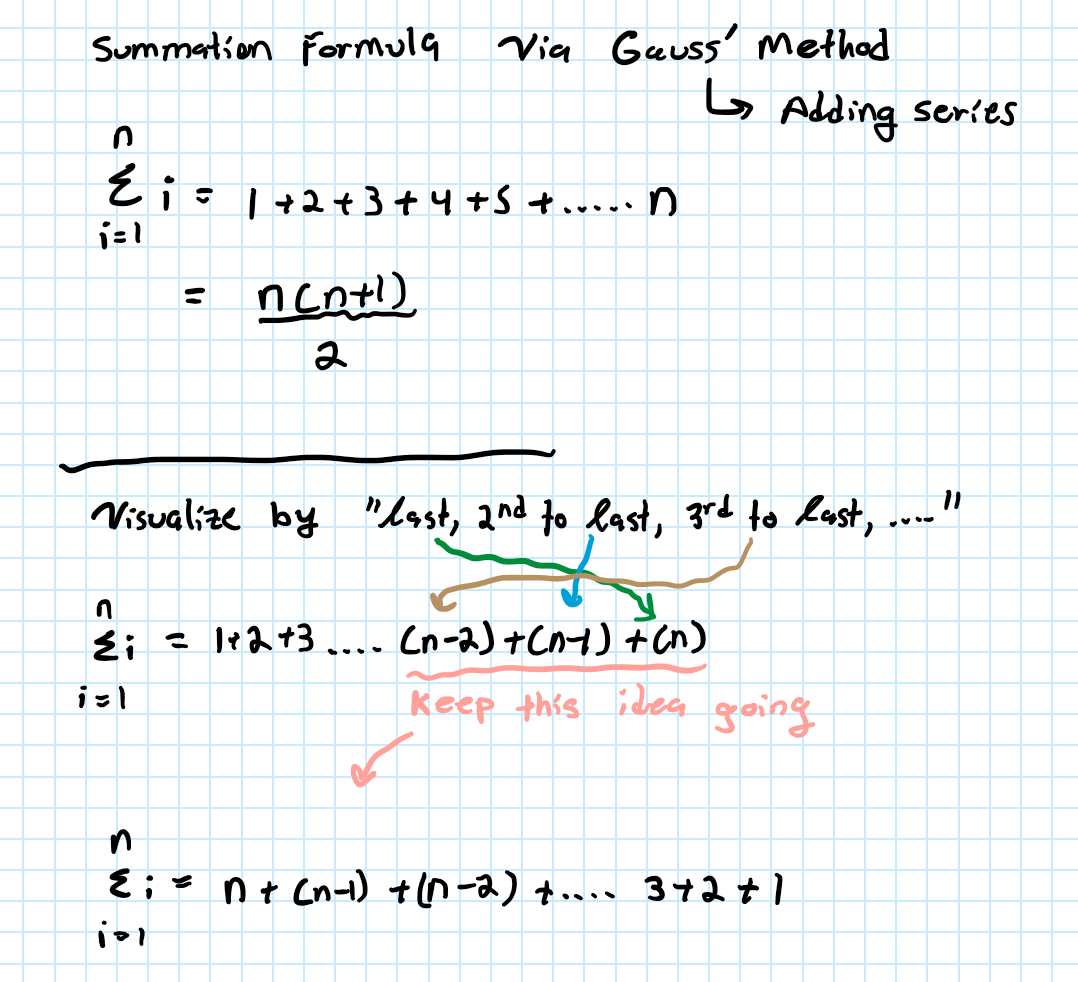
Gauss' sum trick
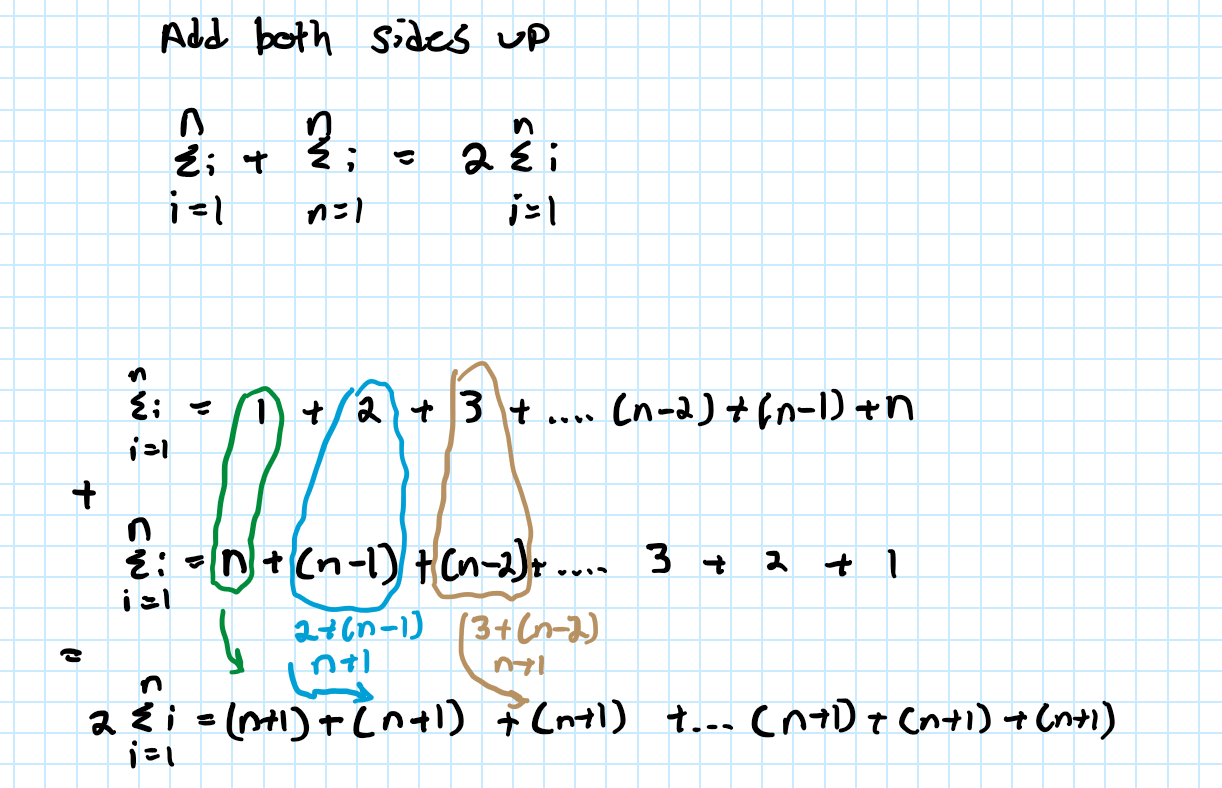
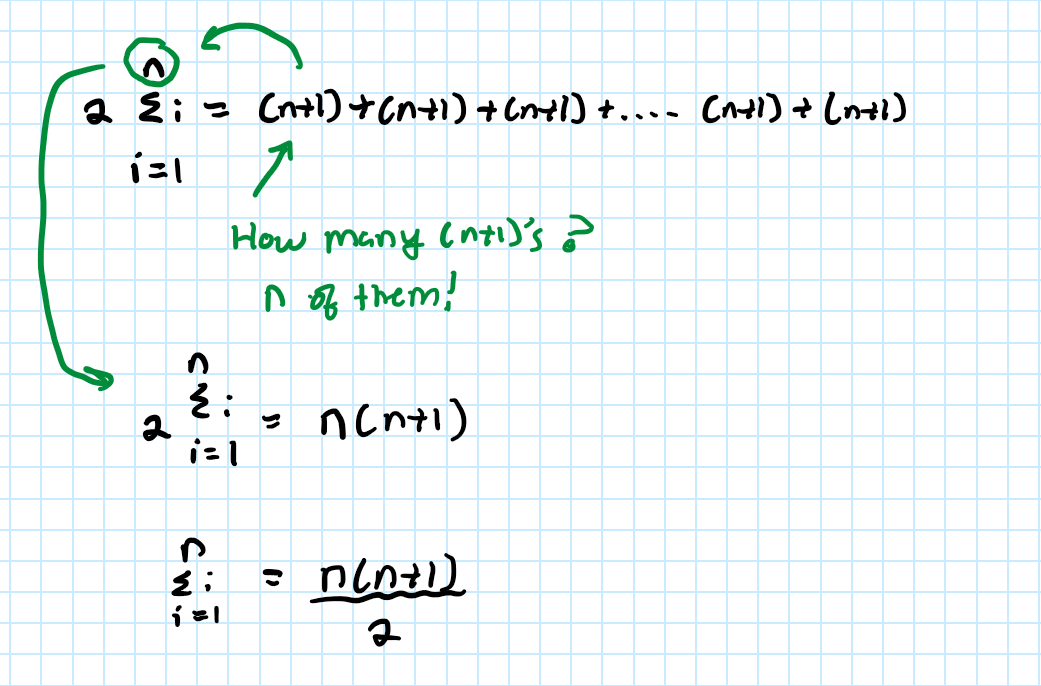
You can also derive the same solution by using Gauss's trick where you add the opposite of a series to itself then solve for it.
Induction Proof
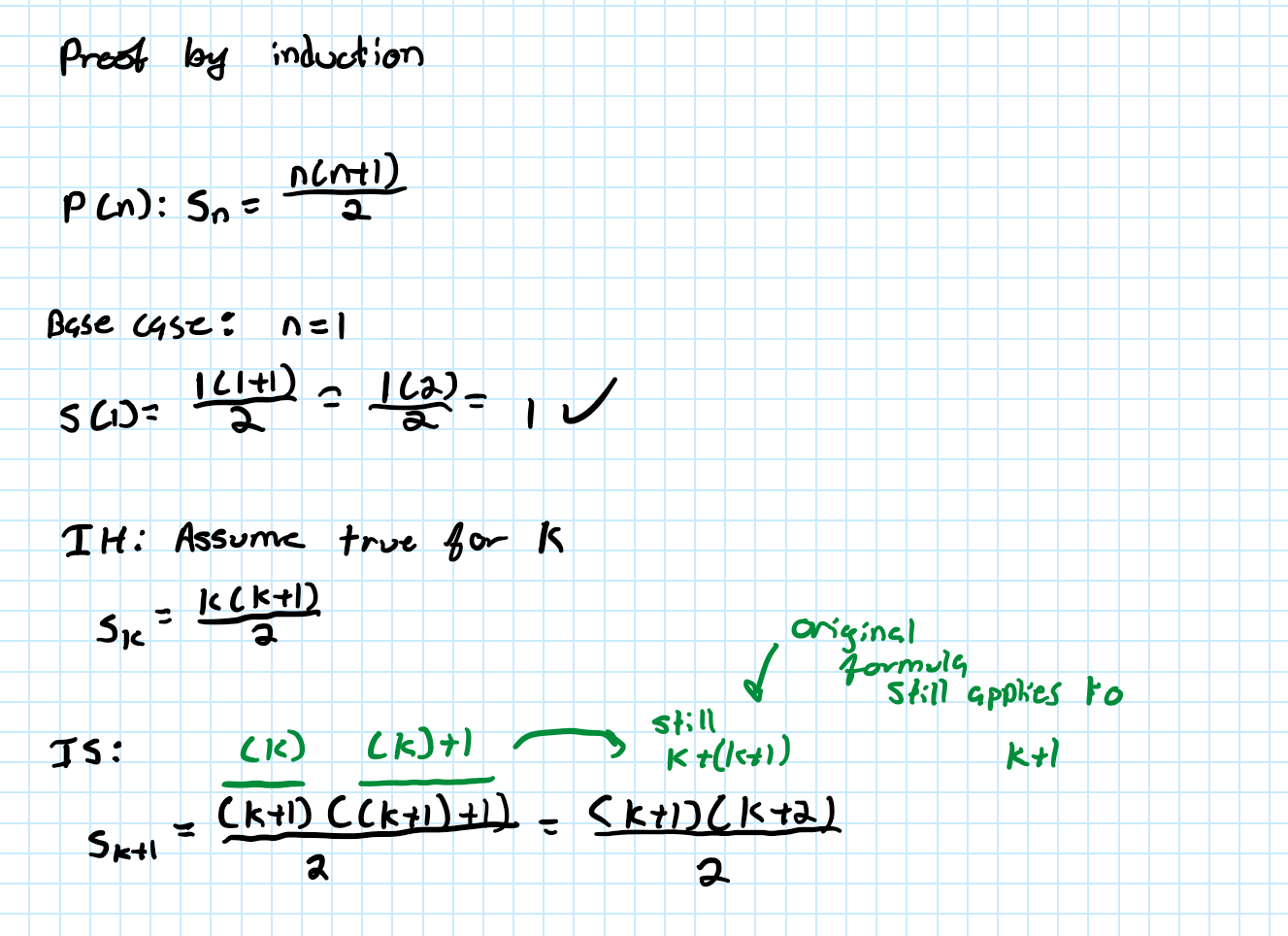
And lastly a quick induction proof to make sure the formula works
Sources
Some videos along the way that I referenced and wanted to credit:
Induction proof:
Gauss' arithmetic sums trick: